
You’ve decided to go for your PMP certification — smart move. But before you swipe your card on the first “guaranteed pass” ad you see, here’s the problem: PMI just rolled out major exam changes for July 2026, and dozens of prep providers are still selling outdated content built for the old format. Pick the wrong class, and you could burn weeks (and hundreds of dollars) studying the wrong material. This blog walks you through exactly what to check before you register for a PMP Exam Prep Class, so your prep class actually gets you to exam day ready — not just registered.
Is the Prep Class Aligned to PMI’s Current Exam Content Outline?
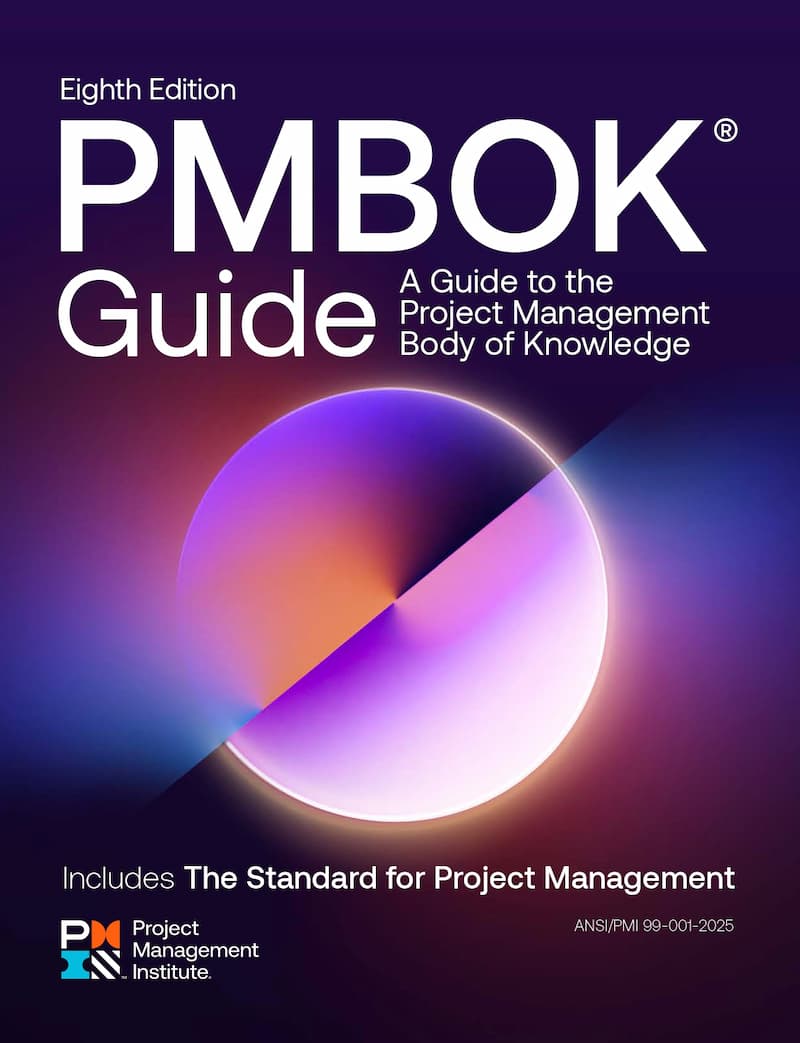
PMBOK 8th Edition
The single most important thing to verify is whether your prep course teaches the current PMP exam, not last year’s version. If a provider’s syllabus still centers on the old PMBOK 7th Edition framework without folding in PMBOK 8th Edition principles and the new Examination Content Outline (ECO), walk away — you’d be preparing for an exam that no longer exists.
PMI’s ATP training pages confirm the PMP exam changed in July 2026, and providers are actively updating curricula to stay aligned with the latest content outline. Ask any prep provider directly: “Is your course updated for the July 2026 ECO and PMBOK 8th Edition?” A vague answer is a red flag. If you want the full breakdown of what actually changed in the exam structure and domains, I’ve covered it in detail in my guide to the PMP Exam 2026 changes.
Is the Provider a PMI Authorized Training Partner (ATP)?
Choosing a PMI Authorized Training Partner (ATP) matters because ATPs are the only providers PMI directly licenses to deliver official, PMI-developed courseware mapped to the current exam. That distinction reduces your risk of studying outdated or misaligned material significantly.
ATP status isn’t handed out freely — PMI requires providers to demonstrate a track record of quality training and PMP-certified instructors with real project experience. Non-ATP courses can still be useful supplements, but for your primary 35-contact-hour requirement, an ATP course gives you a curriculum built and maintained directly against PMI’s own content, not a third party’s interpretation of it.
What Format and Schedule Actually Fits Your Life?
The best prep class is the one you’ll actually finish, so match the format to your real schedule and learning style before you pay. Self-paced online courses are flexible and cheaper, but they require strong self-discipline; instructor-led live classes or multi-day bootcamps cost more but build in accountability and a fixed deadline.
Instructor-led PMP training typically runs from roughly $800 to $3,500, depending on the provider, country, and materials included, while self-paced or on-demand courses can run as low as a few hundred dollars. If you tend to procrastinate without a deadline, a live cohort or bootcamp format is usually worth the premium — an open-ended, self-paced course with no fixed end date is exactly how prep drags on for months.
What’s the True Cost — And What’s Included?
Before you register, add up the full cost of the class plus the exam itself, because the sticker price of a prep course is rarely your total spend. Beyond the 35 contact hours of formal education PMI requires before you can even apply, factor in the PMP exam fee itself — currently $405 for PMI members versus $655 for non-members, with PMI membership priced at roughly $164/year, which usually pays for itself through the exam-fee discount alone.
Also check exactly what’s bundled: full-length practice simulations, PMBOK 8th Edition access, instructor Q&A, and PDU certificates should all be included, not sold as pricey add-ons later. A $275–$375 retake fee is far more expensive than paying slightly more upfront for a course with strong mock exams. For a complete breakdown of every cost component, see my PMP exam cost planning guide.
FAQs: PMP Exam Prep Classes in 2026
No. PMI only requires 35 contact hours of project management education, which can come from self-paced online courses, live instructor-led classes, or university programs — the format is your choice, as long as the hours are documented.
It can be, especially as a supplement for practice questions or specific topics, but your core prep should come from a source that’s current with the July 2026 ECO and PMBOK 8th Edition, whether or not it carries official ATP status.
Most candidates spend 2–4 months preparing, depending on prior project management exposure and hours studied per week — rushing this timeline is one of the most common reasons candidates walk into the exam underprepared.
Usually yes — PMI membership costs roughly $164/year but saves you around $250 on the exam fee alone, plus gives you free access to the PMBOK Guide and other study resources.
Ready to Prep the Smart Way?
Choosing the right PMP exam prep class isn’t about finding the cheapest or flashiest option — it’s about finding one aligned to PMI’s current standards that fits how you actually learn. With over 15 years of hands-on project management experience, I’ve built my own PMP resources specifically to reflect the 2026 exam changes and PMBOK 8th Edition. Head over to my PMPwithRay YouTube channel for free weekly lessons on exam strategy and PM concepts, or fast-track your prep with my PMP certification courses on Udemy — including a full 35 PDU training program and exam mock simulator built for the current exam format.