

Are you tired of seeing projects spiral out of control with missed deadlines, budget overruns, and unclear responsibilities? If you’re an aspiring project manager struggling to find a proven framework that actually works in real-world situations, you’re not alone. The good news? PRINCE2 (PRojects IN Controlled Environments) project management methodology offers exactly what you need—a structured, globally recognized approach that has helped millions of project managers deliver successful projects across every industry imaginable. By the end of this guide, you’ll understand what makes PRINCE2 the preferred methodology for organizations worldwide, how the latest 7th Edition updates make it more relevant than ever in 2025, and whether pursuing PRINCE2 certification is the right career move for you.
What is PRINCE2 Project Management and Why Does it Matter in 2025?
PRINCE2 is a comprehensive project management methodology that provides a structured framework for managing projects of any size or complexity. Originally developed by the UK government in 1996, PRINCE2 has evolved through seven editions and is now widely popular in countries like the United Kingdom, Australia, and the Netherlands, with increasing adoption in Asia, Africa, and the USA.
What makes PRINCE2 particularly powerful is its foundation built on three core elements: seven guiding principles, seven practices (formerly called themes), and seven processes that cover the entire project lifecycle. This “methodology of 7s” creates a comprehensive yet flexible approach to project delivery.
The 7th edition, launched in 2023, keeps the seven principles: ensure business justification, learn from experience, define roles, manage by stages, manage by exception, focus on products, and tailor to the environment. These principles form the bedrock of PRINCE2 and must be applied to every project—without them, you’re not truly using PRINCE2.
For aspiring project managers, understanding PRINCE2 is crucial because it teaches you a standardized language and methodology that employers worldwide recognize and value. Unlike ad-hoc project management approaches, PRINCE2 gives you a proven framework that ensures nothing critical falls through the cracks. If you’re exploring different project management methodologies and wondering how PRINCE2 compares to other approaches, you might find this comparison helpful.
What’s New in PRINCE2 7th Edition? Key Updates Every Aspiring PM Should Know
The 7th Edition represents a significant evolution of PRINCE2 to address modern project management challenges. Here are the game-changing updates you need to know:
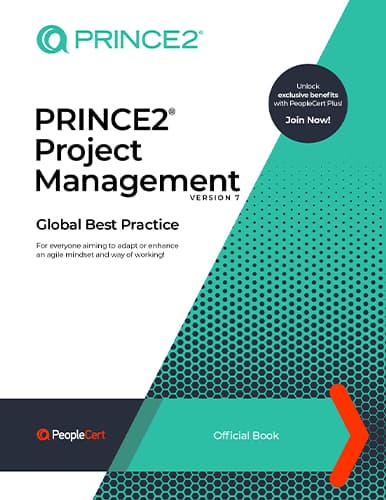
People-Centric Focus: Unlike the previous version, PRINCE2 7th Edition emphasizes the crucial role of individuals in ensuring project success, with the human element woven into the fabric of the PRINCE2 approach. This means the methodology now explicitly addresses team dynamics, stakeholder engagement, and the soft skills that make or break projects.
Sustainability as a Performance Target: Sustainability’s elevation to a performance target marks a significant departure from the 6th edition’s less explicit handling of environmental concerns. In 2025, when organizations face increasing pressure to demonstrate environmental responsibility, this update makes PRINCE2 more relevant than ever.
Enhanced Digital and Data Management: The 7th Edition incorporates an innovative digital and data management approach, reflecting the growing importance of technology for efficient project execution. This addresses the reality that modern project managers must work with digital tools, data analytics, and distributed teams.
Greater Flexibility and Tailoring: Tailoring is now more streamlined, without mandatory minimums, allowing quicker adaptations in fast-paced 2025 projects. The 7th edition improves integration with agile methods, critical for projects requiring fast iterations. This is particularly important as more organizations adopt hybrid approaches that combine PRINCE2’s structure with agile’s flexibility. If you’re interested in understanding how different project management approaches work together, check out this guide on Agile certifications.
PRINCE2 Certification: Career Benefits and Salary Expectations in 2025
Now let’s address what matters most to aspiring project managers—will PRINCE2 certification actually boost your career and earning potential?
The answer is a resounding yes. PRINCE2 holders may earn between $90,000 and $130,000 according to 2025 salary reports, while the average PRINCE2 practitioner salary in the UK is approximately £65,000 per year, with top earners making over £87,000. Companies like Ernest & Young (EY), Infosys, American Express, and TCS are among the highest-paying employers for PRINCE2 certified professionals.
Beyond salary, PRINCE2 certification opens doors to global opportunities. The certification is accredited by PeopleCert on behalf of AXELOS and is respected in over 150 countries, with certified professionals earning up to 20% more according to industry surveys.
There are two main certification levels:
- PRINCE2 Foundation: This entry-level certification requires no prerequisites and validates your understanding of PRINCE2 principles, practices, and processes. The Foundation exam has 60 questions with a pass mark of 60%.
- PRINCE2 Practitioner: This advanced certification requires you to first pass the Foundation level and demonstrates your ability to apply PRINCE2 in real-world scenarios. The Practitioner exam has 70 questions with a 60% pass mark and a duration of 2.5 hours.
For aspiring project managers starting their careers, the Foundation certification is an excellent starting point that requires minimal investment but provides maximum credibility. The structured approach you’ll learn through PRINCE2 complements other project management certifications beautifully—many professionals combine PRINCE2 with PMP or Agile certifications for maximum career versatility.
Getting Started: Your Path to PRINCE2 Mastery
Ready to launch your PRINCE2 journey? Here’s how to get started:
First, familiarize yourself with the PRINCE2 7th Edition framework by understanding the seven principles, seven practices, and seven processes. The official PRINCE2 handbook is the primary resource, and studying should take approximately 20-30 hours over 4-6 weeks.
Second, choose quality training that aligns with the 7th Edition. PeopleCert is phasing out 6th edition exams in 2025, so ensure any training you pursue is updated for the latest version.
Third, practice consistently with mock exams. The key to success is consistently scoring 80%+ on practice tests and using mnemonics to memorize key concepts.
The investment you make in PRINCE2 certification pays dividends throughout your project management career. Whether you’re managing construction projects, IT implementations, or business transformations, the structured approach you’ll master through PRINCE2 gives you confidence to handle projects of any complexity. If you’re wondering whether certification investments are worth it, this analysis might help clarify your decision.
Ready to master PRINCE2 and transform your project management career? Join thousands of aspiring project managers who are building their expertise through structured learning. Subscribe to my YouTube channel PMPwithRay for step-by-step PRINCE2 guidance, exam preparation tips, and real-world project management insights. For comprehensive training that will prepare you for PRINCE2 certification and give you practical skills you can apply immediately, explore my project management courses on Udemy where you’ll gain the knowledge and confidence to excel in any project management role in 2025 and beyond.