

Are you planning to earn your PMP certification but confused about the upcoming exam changes? You’re not alone. With PMI announcing significant updates to the PMP exam launching in July 2026 and the recent release of PMBOK 8th Edition, thousands of aspiring project managers face a critical decision: should you take the current exam or wait for the new version? Understanding these changes now will help you make an informed decision that aligns with your career timeline and study preferences. By reading this guide to the end, you’ll discover exactly what’s changing, when it’s happening, and which exam path is right for your project management certification journey.
The July 2026 PMP Exam Update: What’s Actually Changing
PMI conducted a comprehensive Job Task Analysis involving thousands of project management professionals worldwide to identify the skills and competencies most critical for today’s project managers. Based on this research, the organization is launching a completely updated PMP exam on July 1, 2026, that reflects modern project management practices.
Here’s what’s changing in the new exam format:
Exam Structure Updates: The new exam will contain 185 questions (up from the current 180) with an exam duration of 240 minutes. While this represents only a slight increase in time per question, candidates will experience longer testing periods with shorter breaks, which may impact your test-taking strategy.
Domain Weightings Reshuffled: The most dramatic change is in how domains are weighted. The Business Environment domain will jump from just 8% to a substantial 26% of the exam. This shift reflects the growing expectation that project managers must understand organizational strategy, align projects with business value, and think beyond just task completion.
New Question Types and Interactive Elements: PMI is introducing enhanced question formats including matching exercises with images or diagrams, point-and-click hotspots on visual elements, pull-down lists for scenario-based selections, and enhanced matching questions that go beyond simple text-based options. These interactive elements are designed to test your practical decision-making abilities rather than just memorized knowledge.
Content Focus Shifts: The 2026 exam places significantly greater emphasis on AI tools and their application in project management, sustainability considerations in project planning and execution, adaptive and hybrid methodologies over traditional predictive approaches, stakeholder engagement and people management skills, and value delivery and strategic outcomes rather than just scope, schedule, and cost management.
PMBOK 8th Edition: The Foundation for 2026 Exam Changes
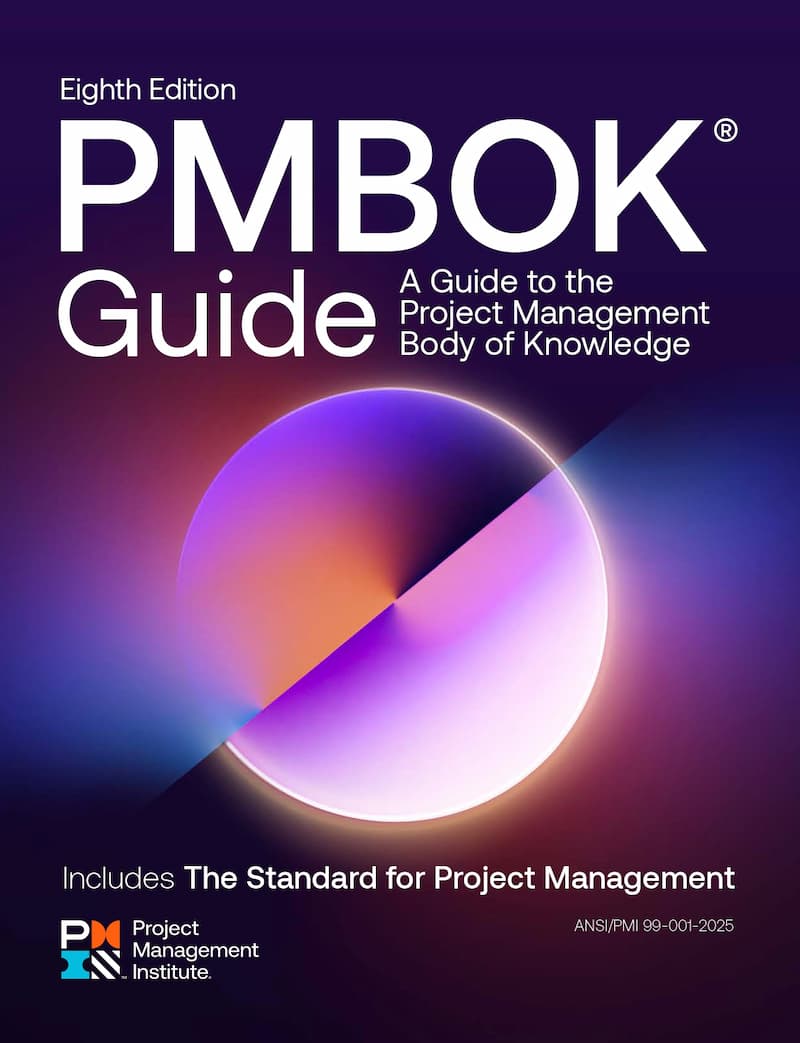
PMI officially released the PMBOK Guide 8th Edition on November 13, 2025 (PDF and Kindle versions), with the paperback edition scheduled for January 13, 2026. This edition represents the most community-informed update in the guide’s history, incorporating input from thousands of practitioners and over 48,000 data points.
Key Changes in PMBOK 8th Edition:
Key Changes in PMBOK 8th Edition
The new edition combines two previously separate publications—The Standard for Project Management and A Guide to the Project Management Body of Knowledge—into a single, integrated volume. This consolidation provides project managers with a unified framework that connects principles, practices, and processes.
Six Core Principles (reduced from 12 in the 7th edition): PMI streamlined the fundamental principles to six concise, actionable guidelines that directly influence effective project management behavior. These principles provide practical day-to-day guidance rather than abstract concepts.
Seven Performance Domains with notable changes: Governance replaces Integration as a separate domain, Finance replaces Cost management as a distinct domain, and Quality, Communications, and Procurement are no longer separate domains but are integrated throughout other performance areas.
Five Focus Areas replacing traditional process groups: The classic five process groups (Initiating, Planning, Executing, Monitoring and Controlling, and Closing) have been reframed as “Focus Areas.” These are designed to be development-approach agnostic, meaning they work equally well for predictive, agile, or hybrid project environments.
40 Evolved Processes (down from 49 in the 6th edition): PMI has streamlined and updated the processes to reflect modern project management practices while eliminating redundancy and overlap.
Expanded Coverage of contemporary topics, including artificial intelligence applications, PMO (Project Management Office) evolution and roles, updated procurement practices for modern business environments, and sustainability integration in project management.
Timeline and Critical Dates Every Aspiring PM Must Know
Understanding the transition timeline is crucial for planning your certification journey:
Now Through June 30, 2026: You can take the current PMP exam based on the existing Exam Content Outline and PMBOK 7th Edition. All current study materials, practice exams, and training courses remain fully valid during this period.
January 5-30, 2026: PMI is running a limited pilot program where approved candidates can take the new exam early, provide feedback, and receive a 20% exam fee rebate. Those who pass during the pilot receive full PMP certification immediately. Those who don’t pass receive a free retake when the official exam launches in July 2026.
April 2026: PMI will release updated study materials, prep courses, and practice exams aligned with the new exam format. If you plan to take the July 2026 exam, this is when you should begin your preparation using the new materials.
July 1, 2026: The new PMP exam officially launches globally. From this date forward, only the updated exam format will be available. All testing centers worldwide will switch to the new format simultaneously.
Important Note: Whether you earn your PMP certification in March 2026 or September 2026, you receive the exact same globally recognized credential. There is no “old” or “new” PMP designation—it’s the same certification with the same career value and salary impact.
Making Your Decision: Current Exam vs. New Exam
For aspiring project managers currently studying or considering the PMP certification, here’s how to decide which path makes sense for you:
Take the Current Exam If: You’re already 2-3 months into your preparation and have invested time learning current materials, you prefer using established study resources with proven track records and thousands of success stories, you want to complete your certification before July 2026 for career advancement opportunities, or you prefer the current exam format with known question patterns and preparation strategies.
Wait for the New Exam If: You haven’t started studying yet and can comfortably wait until April 2026 to begin preparation, you’re specifically interested in the emerging topics like AI and sustainability that will be emphasized more heavily, you prefer interactive question types and scenario-based assessments, or your career timeline allows you to wait until late 2026 or beyond to complete certification.
The Middle Path: If you’re uncertain, remember that PMI has explicitly stated: “The core principles and approaches of the PMP exam remain the same.” You’re not learning fundamentally different project management—you’re just being tested in a different format with updated emphasis areas. The foundational knowledge that makes you a competent project manager doesn’t change with exam versions.
Ready to accelerate your project management career? Whether you choose to take the current exam or prepare for the 2026 update, having the right guidance makes all the difference. Join thousands of successful PMP candidates who have mastered their certification journey through comprehensive training and practical insights. Subscribe to PMPwithRay for regular updates on exam changes, study strategies, and project management best practices. For structured, expert-led preparation that covers everything from fundamental concepts to advanced exam strategies, explore my complete range of project management courses on Udemy.