
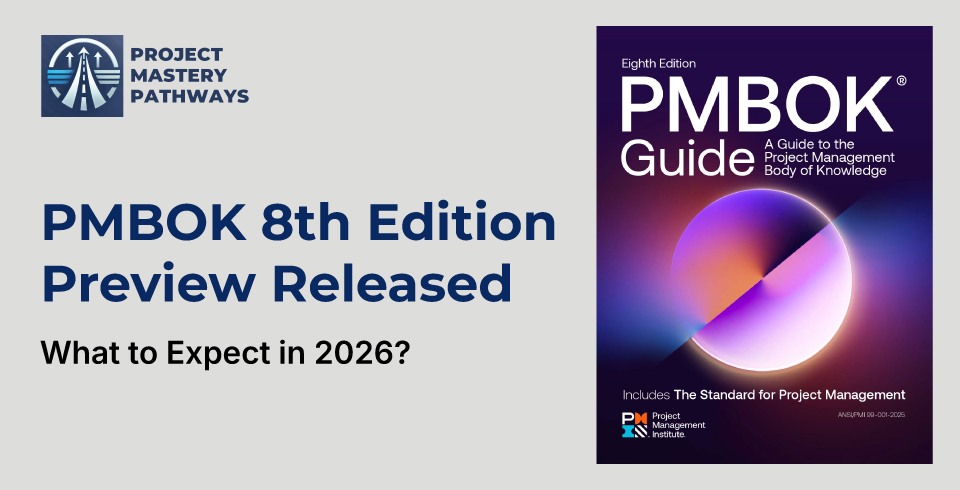
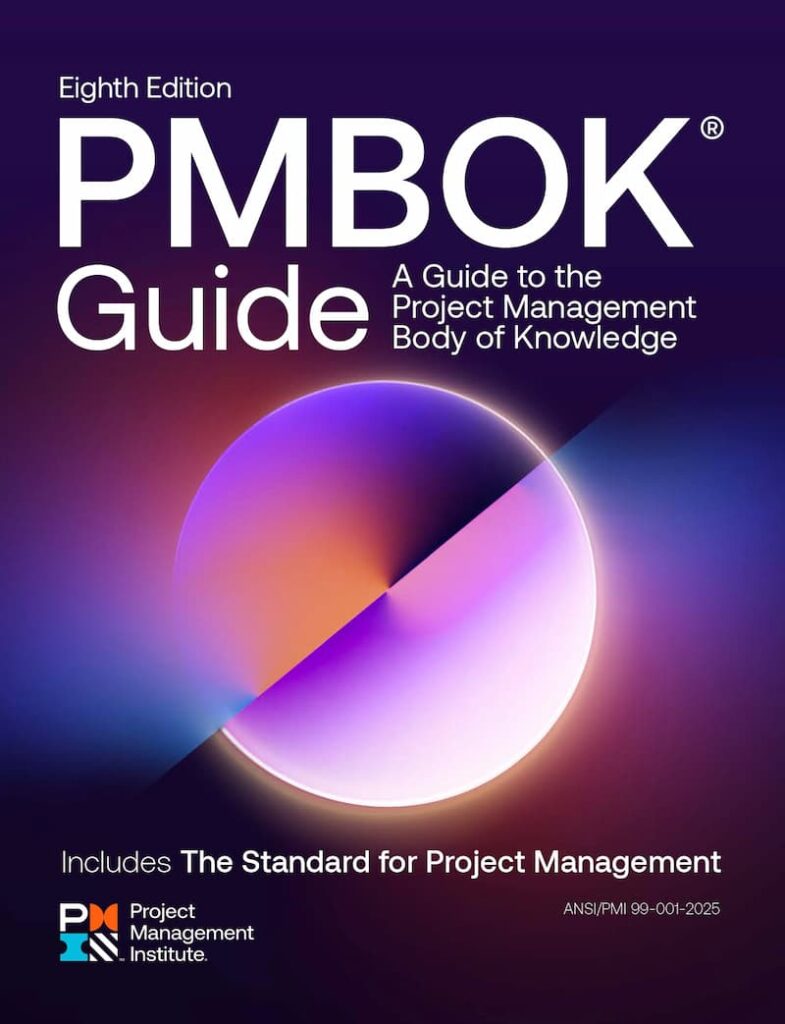
After months of speculation and anticipation, the Project Management Institute (PMI) has officially unveiled the preview of the PMBOK 8th Edition—and what aspiring project managers are about to discover will fundamentally reshape how you prepare for the PMP certification. Set for release on January 13, 2026 (with a Kindle edition dropping earlier on November 13, 2025), this isn’t just another incremental update. The 8th Edition represents PMI’s most ambitious overhaul yet, bringing back the process-driven structure that practitioners missed from PMBOK 6th Edition while retaining the principles-based flexibility introduced in the 7th Edition. If you’re planning to pursue your PMP certification in 2026, understanding these changes now will give you a strategic advantage in your preparation. This comprehensive guide breaks down everything revealed in the PMBOK 8th Edition preview, explains the timeline for PMP exam changes, and shows you exactly how to prepare for this transition without wasting time or money.
The Most Evidence-Based PMBOK Edition Ever Created
The PMBOK 8th Edition isn’t built on theory or committee opinions—it’s the result of rigorous, data-driven research that sets a new standard for evidence-based project management guidance. PMI analyzed nearly 48,000 data points gathered from project management practitioners across five continents, incorporating insights from two separate rounds of public feedback during the draft comment period that ran from December 20, 2024, to January 19, 2025. This community-driven approach ensures the guide reflects what project managers actually do in real-world environments, not what academics think they should do.
What makes this edition groundbreaking is its focus on modern project management challenges. The guide integrates contemporary topics like artificial intelligence in project management, sustainable project delivery, digital transformation, and hybrid methodologies that combine predictive and adaptive approaches. PMI recognized that project managers in 2026 operate in vastly different environments than those in 2017 when PMBOK 6th Edition was released, and this edition addresses that reality head-on. The terminology has been simplified and clarified for global accessibility, making concepts easier to understand across different industries, cultures, and experience levels—a crucial improvement for aspiring project managers entering the field.
Six Streamlined Principles Replace Twelve
One of the most significant changes in PMBOK 8th Edition is the reduction of Project Management Principles from twelve to six highly actionable guidelines. This streamlining addresses a common complaint about the 7th Edition—that twelve principles were overwhelming and difficult to remember during exam preparation and real-world application. The new six principles are designed to be memorable, practical, and directly applicable to daily project management decisions.
The six refined principles are: Adopt a Holistic View (considering the project within its broader organizational context), Focus on Value (ensuring every project activity contributes to intended outcomes), Embed Quality Into Processes and Deliverables (building quality in rather than inspecting it in later), Be an Accountable Leader (demonstrating responsibility and ethical conduct), Integrate Sustainability Within All Project Areas (addressing environmental, social, and economic sustainability), and Build an Empowered Culture (creating environments where teams can thrive and deliver exceptional results). Notice how sustainability has been elevated from a consideration within principles to a standalone principle—reflecting the growing importance of sustainable project management in organizational strategy and stakeholder expectations.
Seven Performance Domains With 40 Evolved Processes
The PMBOK 8th Edition introduces seven comprehensive Performance Domains that replace the previous knowledge area structure, and here’s where it gets interesting for PMP candidates: PMI has reintroduced 40 processes embedded within these domains. This is a direct response to feedback from practitioners who found PMBOK 7th Edition too abstract and wanted the actionable, step-by-step guidance that made earlier editions so valuable for exam preparation and practical application.
What to Expect in 2026?
The seven Performance Domains are: Governance (replacing the former Integration Management, focusing on project oversight, decision-making frameworks, and value realization), Scope (defining and controlling what’s included and excluded from the project), Schedule (planning and managing project timelines and dependencies), Finance (managing project budgets, costs, and financial performance), Stakeholders (identifying, analyzing, and engaging all project stakeholders—this now incorporates much of what was previously in Communications Management), Resources(acquiring and managing team members, physical resources, and materials), and Risk (identifying, analyzing, and responding to project uncertainties). You’ll notice that traditional areas like Quality Management, Communications Management, and Procurement Management have been integrated into other domains rather than standing alone—a controversial change that makes the structure more streamlined but requires understanding where these concepts now reside.
Five Focus Areas Replace Traditional Process Groups
Instead of the traditional five Process Groups (Initiating, Planning, Executing, Monitoring and Controlling, and Closing) from PMBOK 6th Edition, the 8th Edition introduces five “Focus Areas” that provide a more flexible framework accommodating predictive, adaptive, and hybrid approaches. While the names and core concepts remain similar, this rebranding reflects a shift in thinking—from rigid sequential processes to flexible areas of attention that can be applied iteratively throughout the project lifecycle.
The five Focus Areas are: Initiating Focus Area (authorizing the project and establishing its foundation), Planning Focus Area (defining the project approach and roadmap), Executing Focus Area (performing the work defined in project plans), Monitoring and Controlling Focus Area (tracking progress and managing changes), and Closing Focus Area (finalizing all activities and transferring deliverables). This structure supports modern delivery approaches where planning and execution may happen concurrently in sprints, or where monitoring happens continuously rather than as a separate phase. For aspiring project managers studying different project management roles, understanding how these Focus Areas apply across various methodologies will be crucial for exam success.
Game-Changing Appendices on AI, PMOs, and Procurement
The PMBOK 8th Edition includes several comprehensive appendices that address emerging topics and specialized areas in unprecedented depth. Appendix X3: Artificial Intelligence provides detailed guidance on AI adoption strategies, common use cases in project management, responsible use, and ethical concerns—this is the first time PMI has dedicated an entire appendix to technology integration, recognizing that AI tools are transforming how projects are planned, executed, and monitored. The appendix covers practical applications like predictive analytics for schedule forecasting, natural language processing for stakeholder communications, and machine learning for risk identification.
Appendix X2: Project Management Offices offers expanded content on PMO value propositions, customer centricity, different PMO types and structures, and maturity models—essential reading for aspiring project managers who may work within or alongside PMOs in their careers. Appendix X4: Procurement provides updated guidance on make-or-buy analysis, procurement strategies, contract types (including emerging trends like smart contracts and outcome-based agreements), and claims administration. These appendices aren’t just reference material—they signal where PMI sees the profession heading and what topics may appear more frequently in future PMP exam questions.
What This Means for Your PMP Certification Journey in 2026
Here’s the critical question every aspiring project manager is asking: When will the PMP exam change to reflect PMBOK 8th Edition? Based on PMI’s historical patterns and official statements, here’s the most likely timeline: The PMBOK 8th Edition will be released January 13, 2026, but the current PMP exam will continue using the 2021 Exam Content Outline (ECO) for at least 6-12 months afterward. PMI typically provides a transition period allowing candidates to complete certification under the existing framework before introducing changes.
Expect a new ECO announcement in Q4 2025 or early 2026, with the updated PMP exam launching in mid-2026 to early 2027. This means if you’re currently preparing for the PMP exam, you should continue using PMBOK 7th Edition materials and the current ECO without concern—rushing to wait for 8th Edition materials would delay your certification by at least a year with no strategic advantage. The foundational project management knowledge remains consistent across editions; concepts like stakeholder engagement, risk management, quality assurance, and value delivery are universal principles that transcend specific guide versions.
However, if you’re planning to take the PMP exam in late 2026 or beyond, you’ll want to transition to 8th Edition-based study materials once they become available from reputable training providers. The good news is that many concepts you’re learning now—the three-domain structure (People, Process, Business Environment), emphasis on hybrid methodologies, servant leadership, and agile principles—will remain relevant in the updated exam. Understanding how PMBOK editions evolve and relate to exam changes will help you make informed decisions about your preparation timeline and resource investments.
Your Strategic Action Plan for PMP Success
Ready to navigate this transition successfully and earn your PMP certification? Follow PMPwithRay on YouTube for up-to-the-minute updates on PMBOK 8th Edition changes, detailed breakdowns of new concepts, and strategic exam preparation guidance as the transition unfolds. For comprehensive PMP certification preparation that stays current with PMI’s latest frameworks, explore my PMP Certification Exam 35 PDU Training and PMP Mock Simulator courses on Udemy, designed to build the knowledge, confidence, and test-taking strategies you need regardless of which PMBOK edition underlies your exam.
The PMBOK 8th Edition represents an exciting evolution in project management standards—one that balances the process clarity practitioners need with the flexibility modern projects demand, whether you’re preparing for your PMP certification now or planning to pursue it in late 2026. Understanding these changes positions you for success in both the exam and your project management career.