

You’re fresh out of university with a project management certification or transitioning from a technical role into project leadership, and everyone keeps telling you that “Agile is the future” and “waterfall is dead.” But here’s the reality that might surprise you: in 2025, waterfall project management isn’t just surviving—it’s thriving in specific industries where its structured, sequential approach delivers better outcomes than trendy Agile methodologies ever could. While tech startups and software companies dominate headlines with their Agile transformations, billions of dollars worth of successful projects across construction sites, manufacturing floors, pharmaceutical labs, and government infrastructure initiatives depend on waterfall’s predictable, phase-by-phase progression. If you’re an aspiring project manager trying to understand where waterfall methodology actually works best—and where you should focus your career development efforts—this comprehensive guide breaks down the specific industries, characteristics, and real-world scenarios where waterfall project management continues to prove its worth in 2025 and beyond.
What Makes Waterfall Project Management the Right Fit for Certain Industries
Before diving into specific industries, let’s understand what waterfall project management actually is and why it works brilliantly in some contexts. Waterfall methodology (sometimes called the waterfall model) is a linear, sequential approach to project delivery where work flows downward through distinct phases—requirements, design, implementation, testing, deployment, and maintenance. Each phase must be completed entirely before the next phase begins, much like water flowing over a waterfall cannot reverse its direction.
The fundamental strength of waterfall lies in its emphasis on comprehensive upfront planning, detailed documentation at every stage, and clear sign-offs before progressing forward. This front-loaded approach means project teams invest significant time in the requirements and design phases to ensure everything is thoroughly understood before any actual construction or implementation begins. For aspiring project managers, understanding the various project management roles within organizations helps you recognize where waterfall skills are most valued. Waterfall works best when requirements are stable, clearly defined, and unlikely to change—when the cost of going back to fix errors in previous phases would be prohibitively expensive or even dangerous.
Construction and Infrastructure: Where Waterfall Was Born and Still Reigns Supreme
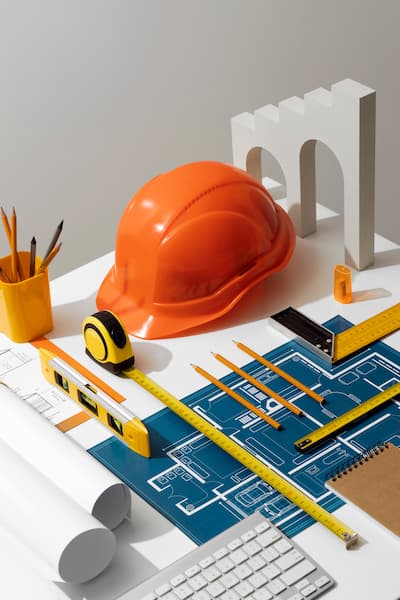
The construction industry is waterfall project management’s natural habitat, and for obvious reasons: you cannot paint walls before you build them, install plumbing before pouring the foundation, or landscape grounds before completing the structure. Every construction project—whether building a residential home, commercial office complex, bridge, highway, or airport terminal—follows a strictly sequential process where each phase depends entirely on the completion of the previous phase. In 2025, despite advances in construction technology and Building Information Modeling (BIM), the fundamental waterfall structure remains unchanged.
Consider a real-world example: constructing a 30-story office building. The project begins with the requirements phase (gathering specifications, zoning requirements, client needs, budget constraints), moves to the design phase (architectural drawings, structural engineering, electrical and mechanical systems planning), then to implementation (foundation work, structural framing, exterior work, interior finishing), followed by testing and verification (building inspections, safety certifications, systems testing), and finally deployment and maintenance (occupant move-in, ongoing facility management). If the construction team discovers during the finishing phase that the foundation isn’t adequate, the cost of correction would be astronomical—potentially requiring demolition and restart. This is precisely why waterfall’s emphasis on getting requirements and design absolutely correct before implementation is so valuable in construction. For aspiring project managers entering the construction field, understanding these sequential dependencies and learning to create detailed project schedules using Gantt charts and Critical Path Method (CPM) analysis are essential skills that directly align with waterfall methodology.
Manufacturing and Product Development: Predictability Through Sequential Processes

Manufacturing industries—whether producing automobiles, electronics, consumer appliances, industrial machinery, or pharmaceutical products—rely heavily on waterfall project management because production processes are inherently sequential and changes mid-stream are extremely costly. In manufacturing, waterfall methodology ensures that product design, prototype development, testing, production line setup, and full-scale manufacturing happen in careful, controlled stages with thorough documentation at each step. This is particularly critical in industries with regulatory oversight like aerospace, medical devices, and pharmaceuticals.
Take the example of automotive manufacturing: developing a new car model requires following a waterfall approach through concept design, detailed engineering specifications, prototype creation, extensive testing (crash tests, emissions tests, durability tests), production line configuration, initial production runs, quality assurance, and finally mass production and delivery. Toyota, one of the world’s most successful manufacturers, has long used waterfall-style methodologies (combined with their renowned Toyota Production System principles) to ensure predictable, high-quality production outcomes. The sequential nature ensures that design flaws are caught during the prototype and testing phases—long before expensive production equipment is configured and assembly lines are established. For manufacturing projects, going back to revise designs after production has started can cost millions of dollars in retooling, wasted materials, and delayed market launch, making waterfall’s prevention-focused approach far more economical than Agile’s iteration-focused mindset.
Healthcare, Pharmaceutical, and Regulated Industries: Compliance Through Structure

Healthcare and pharmaceutical industries represent another domain where waterfall project management delivers superior results, primarily because these industries operate under strict regulatory frameworks that require comprehensive documentation, validation, and approval at every stage. Drug development projects, medical device creation, healthcare facility construction, and electronic health record (EHR) system implementations all benefit from waterfall’s structured, audit-ready approach that regulatory bodies like the FDA, EMA, and other health authorities require.
Consider pharmaceutical drug development: the process follows a strict waterfall-like sequence through preclinical research, Phase I clinical trials (safety testing), Phase II trials (efficacy testing), Phase III trials (large-scale testing), regulatory submission and approval, manufacturing scale-up, and post-market surveillance. Each phase has clearly defined entry and exit criteria, extensive documentation requirements, and regulatory checkpoints that must be satisfied before advancing. The cost of discovering a safety issue late in the process is measured not just in dollars but in human lives, making waterfall’s prevention-oriented, sequential approach absolutely essential. Similarly, hospital construction projects must follow waterfall methodology because healthcare facilities have complex requirements around infection control, patient safety, regulatory compliance, and specialized medical systems that cannot be “iterated” after construction like a software feature might be revised after launch. For aspiring project managers entering healthcare or pharmaceutical project management, understanding regulatory requirements and learning to create comprehensive documentation are as important as traditional project planning skills.
Government, Defense, and Aerospace: Where Precision and Accountability Matter Most

Government projects, defense initiatives, and aerospace engineering represent the ultimate waterfall environment because these industries demand absolute precision, extensive documentation for accountability, strict compliance with regulations, and minimal tolerance for error. Whether developing military equipment, launching satellites, implementing new tax systems, building public infrastructure, or modernizing government IT systems, these projects typically involve multiple stakeholders, rigorous approval processes, fixed budgets determined by legislative appropriations, and public accountability that requires clear documentation of how taxpayer funds are spent.
The aerospace industry provides compelling examples: NASA’s Apollo moon landing program followed strict waterfall methodology because the complexity, interdependencies, and safety requirements demanded meticulous planning and sequential execution. Similarly, the development of commercial aircraft like the Boeing 787 or Airbus A350 follows waterfall approaches because regulatory certification requirements (from authorities like the FAA and EASA) demand comprehensive documentation, testing, and validation at each stage. Government ERP implementations, defense procurement projects, and large-scale infrastructure initiatives (highways, dams, power plants) all benefit from waterfall’s clear phase gates, formal approval processes, and audit trails that satisfy oversight requirements from legislative bodies, inspectors general, and public accountability mechanisms. Understanding how waterfall methodology aligns with government procurement processes, defense acquisition frameworks, and public sector accountability requirements positions aspiring project managers for success in these high-stakes environments.
Your Path to Mastering Waterfall Project Management
Understanding where waterfall project management works best is just the beginning of your project management career journey. The industries we’ve explored—construction, manufacturing, healthcare, government, defense, and aerospace—represent billions of dollars in annual project spending and thousands of career opportunities for skilled project managers who understand how to apply waterfall methodology effectively. While Agile may dominate software development headlines, waterfall continues to deliver predictable, successful outcomes in industries where requirements are stable, changes are costly, regulatory compliance is mandatory, and sequential dependencies are unavoidable.
Ready to develop the waterfall project management skills that employers in these industries demand? Follow PMPwithRay on YouTube for in-depth tutorials on waterfall planning techniques, Gantt chart creation, critical path analysis, and industry-specific project management strategies. For comprehensive project management training that covers both waterfall and Agile methodologies—giving you the versatility to succeed across different industry contexts—explore my Project Management Basics course and PMP Certification Exam preparation courses on Udemy. Whether you’re targeting construction, manufacturing, healthcare, or government projects, mastering waterfall methodology will position you for long-term success in industries that value structure, predictability, and proven results.